Key Highlights
- Top schools prioritise holistic development through diverse co-curricular programmes and social initiatives.
- International environments naturally foster cultural intelligence and a sophisticated global perspective.
- Leadership opportunities in clubs and sports help students develop confidence and problem-solving abilities.
- Service learning initiatives encourage empathy and active community engagement among young learners.
Introduction
Education in the modern era has evolved far beyond the simple mastery of textbooks and the successful completion of examinations. While academic excellence remains a cornerstone of the educational journey, parents increasingly look for institutions that prepare their children for the complexities of adult life. The top international schools in Singapore recognise that the world demands more than just high grades; it requires emotional intelligence, resilience, and the ability to work across cultural boundaries. By offering an environment that balances rigorous study with rich extracurricular experiences, these schools ensure that students graduate as well-rounded individuals. Whether a student is enrolled in a primary programme or an A-level international school, the opportunities for growth outside the traditional classroom are vast and varied.
Developing Leadership through Co-Curricular Programmes
One of the primary ways that the top international schools in Singapore distinguish themselves is through their extensive co-curricular offerings. These programmes are not merely hobbies; they are carefully designed platforms for leadership and personal growth. When students participate in competitive sports, join a debate team, or lead a student council, they learn to navigate the intricacies of team dynamics and decision-making. These settings force students to step out of their comfort zones and take responsibility for collective outcomes.
In many instances, students at an A-level international school take the lead in founding new clubs or organising school-wide events. This level of agency is crucial for developing the initiative required in higher education and the professional world. Tutors and coaches often act as mentors rather than lecturers, providing the guidance necessary for students to solve their own problems. By the time these students reach university, they possess a level of maturity and self-assurance that sets them apart from their peers.
Fostering Global Citizenship and Cultural Intelligence
The multicultural nature of Singapore’s student body provides a hidden curriculum that is just as valuable as any academic subject. Interacting daily with peers from dozens of different countries allows students to develop a high degree of cultural intelligence. They learn to appreciate different perspectives and understand the nuances of global issues through the eyes of their friends. This environment naturally discourages insular thinking and promotes a broader worldview.
Top international schools in Singapore often integrate this diversity into their formal curriculum through international days and collaborative projects. Students are encouraged to explore global history, geography, and social issues, often relating them back to the diverse backgrounds of their classmates. This constant exposure to different cultures prepares them for a career in a globalised economy where cross-border collaboration is the norm. The ability to communicate effectively and respectfully with people from all walks of life is perhaps one of the most significant advantages of an international education.
Building Resilience through Service Learning
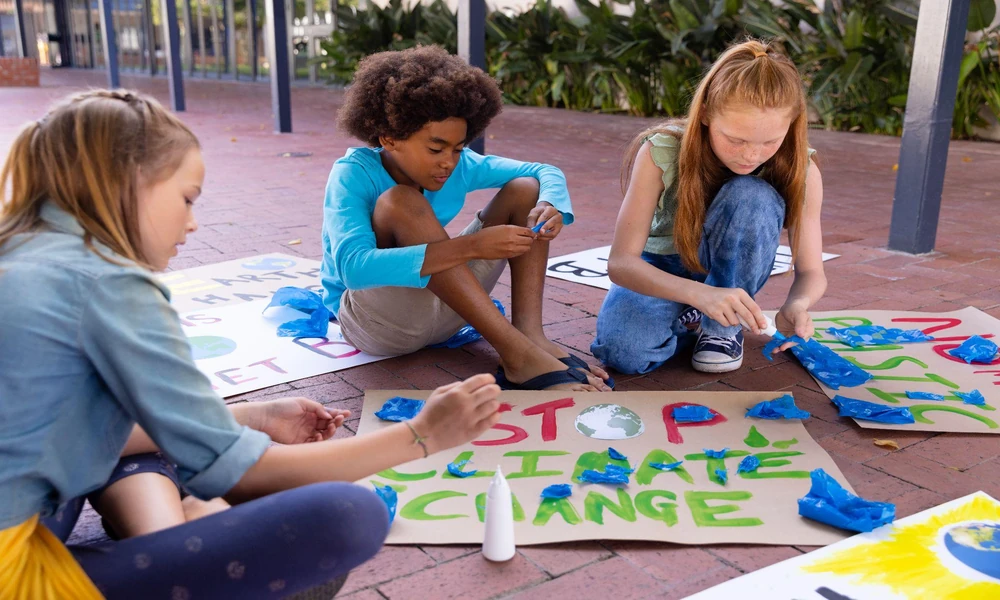
A sense of social responsibility is another key attribute that these schools strive to instil. Service learning goes beyond simple charity work; it involves students identifying community needs and developing sustainable solutions to address them. Whether it is working with local elderly homes or supporting environmental conservation projects across Southeast Asia, students learn the value of empathy and hard work. These experiences often provide a stark contrast to the academic pressure of an A-level international school, reminding students of their place in the wider world.
By engaging in service, students develop resilience as they encounter challenges that a mathematical formula or a pre-written essay cannot solve. They must learn to adapt to changing circumstances and work with limited resources. These real-world interactions teach them that their actions have consequences and that they have the power to effect positive change. This perspective is essential for developing a grounded personality and a genuine desire to contribute to society.
Cultivating Critical Thinking and Independent Research
While the classroom is the starting point for intellectual inquiry, the top international schools in Singapore encourage students to take their research further through independent projects. Many curricula require students to undertake extended essays or capstone projects that demand months of self-directed study. This process teaches students how to manage their time, evaluate the credibility of sources, and synthesise complex information into a coherent argument. These are the very skills that are essential for success at the university level and in research-heavy professions.
This culture of inquiry is supported by state-of-the-art facilities, such as advanced laboratories and digital libraries, which provide the tools necessary for high-level investigation. Tutors encourage students to question established norms and seek out innovative solutions to modern problems. By fostering a love for learning that is not tied to a specific exam date, schools create lifelong learners who are curious about the world around them. This intellectual independence is the ultimate goal of a holistic international education.
Conclusion
The journey through the top international schools in Singapore is designed to be as much about personal discovery as it is about academic achievement. By providing a safe space for students to lead, serve, and explore, these institutions ensure that the next generation is ready for the challenges of a rapidly changing world. Skills such as leadership, cultural intelligence, and resilience cannot be taught through a whiteboard alone; they must be lived and experienced. As students progress from their early years through to an A-level international school, they build a diverse toolkit of competencies that will serve them well throughout their lives.
Contact EtonHouse today to discover how our holistic approach to education can help your child thrive in a global environment.