
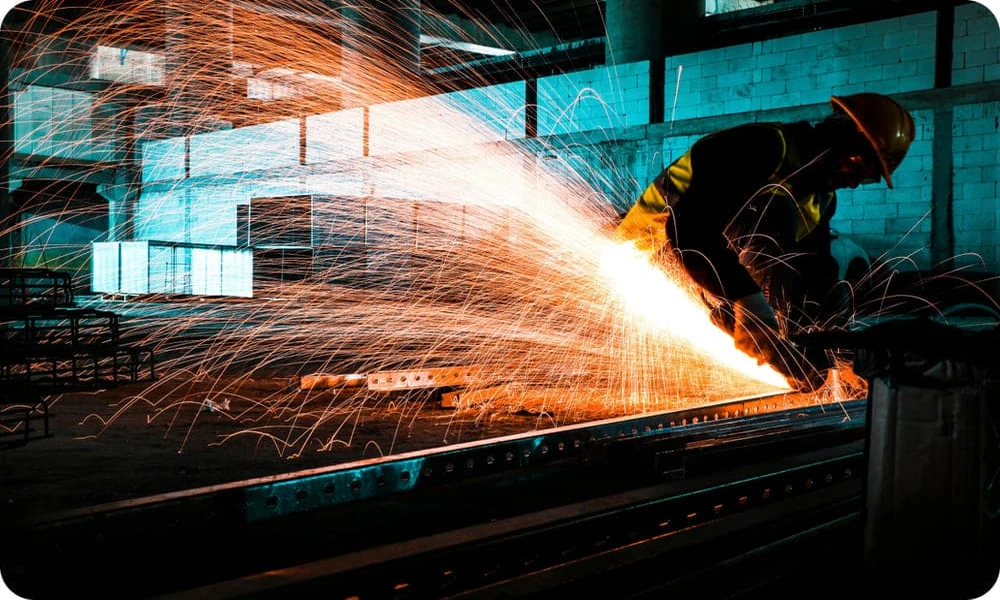
Field-ready control units are essential for industries that require reliable operations outside traditional office or facility settings. Emergency response organizations, utility providers, construction companies, telecommunications teams, and public safety agencies often depend on mobile workspaces to coordinate activities in real time. Behind the efficiency of these units is quality fabrication, which transforms vehicles or trailers into durable, organized, and dependable operational environments. Careful fabrication supports safety, equipment protection, and long-term performance in demanding field conditions.
Effective fabrication goes beyond simply converting a vehicle or trailer into a workspace; it creates an environment designed around the specific demands of field operations. When considering how Command Centers Turn Fabrication Into Guide practical performance, factors such as structural strength, equipment placement, electrical integration, and operator accessibility all play an important role. A thoughtful fabrication approach ensures that essential systems work together efficiently, helping teams maintain reliable communication, coordination, and decision-making even in challenging locations.
Build a Strong Structural Framework
Every field-ready control unit begins with a durable structural frame. The framework must support communication systems, electrical components, storage equipment, and workstations while remaining stable during transportation.
A well-designed structure helps withstand constant road vibration and everyday operational demands, contributing to dependable long-term performance.
Plan an Efficient Interior Layout
The available space inside a mobile control unit should be used effectively. Thoughtful fabrication allows equipment, storage, and workstations to be arranged in a way that supports efficient movement and productivity.
A practical layout may include:
- Dedicated workstations
- Organized storage cabinets
- Equipment mounting systems
- Electrical distribution panels
- Adequate lighting
A well-organized interior helps personnel complete tasks more efficiently.
Secure Equipment Properly
Sensitive equipment must remain protected during both travel and operation. Fabrication should include secure mounting systems that keep communication devices, computers, monitors, and other equipment firmly in place.
Proper installation minimizes unnecessary movement while improving equipment reliability.
Select Durable Materials
Field-ready control units are exposed to changing weather conditions, continuous transportation, and frequent daily use. Choosing durable materials helps maintain structural integrity while reducing maintenance requirements.
High-quality materials also provide better resistance to wear, corrosion, and environmental exposure.
Prioritize Workplace Safety
Safety should remain a key consideration throughout the fabrication process. Secure storage systems, stable work surfaces, and organized cable management help create a safer working environment for operators.
Additional safety measures may include:
- Reinforced equipment supports
- Slip-resistant flooring
- Clearly organized electrical systems
- Accessible emergency equipment
These features contribute to safer and more efficient field operations.
Design for Future Flexibility
Technology and operational requirements often change over time. Planning for future equipment upgrades during fabrication allows the control unit to adapt without requiring extensive structural modifications.
Flexible designs help extend the useful life of the mobile workspace while supporting changing operational needs.
Perform Regular Maintenance
Even a well-fabricated control unit benefits from routine maintenance. Regular inspections of structural components, equipment mounts, electrical systems, and protective finishes help identify small issues before they become costly repairs.
Preventive maintenance also supports consistent operational reliability.
Work with Experienced Fabrication Professionals
Professional fabrication teams understand the structural, mechanical, and operational requirements of mobile control units. Their expertise helps ensure that every component is installed accurately while maintaining safety and long-term durability.
Experienced fabricators can also recommend practical design improvements that enhance efficiency and equipment protection.