
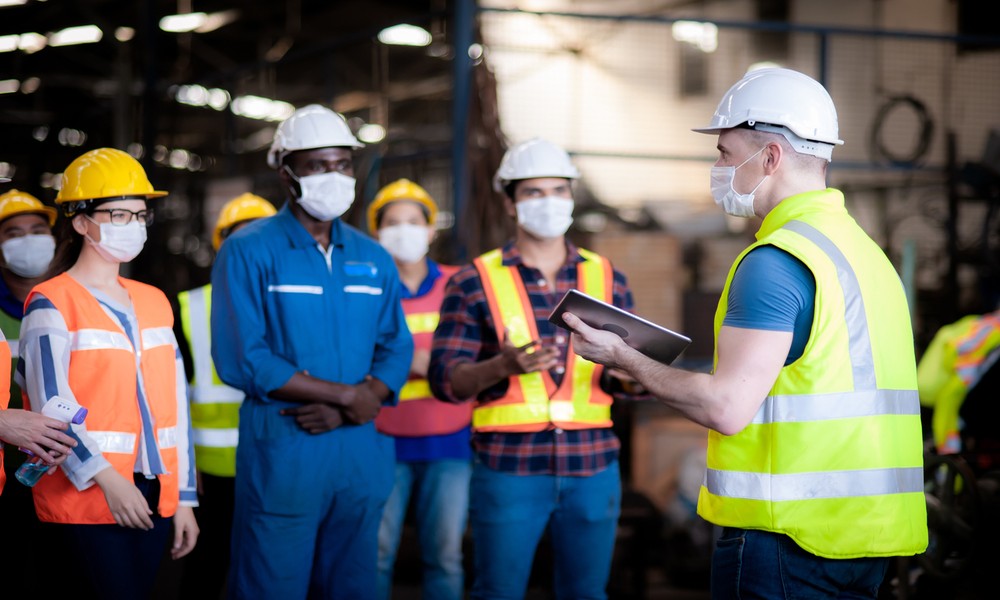
The modern Irish workforce demands rigorous safety standards, making Manual Handling Certification a legal and practical necessity for employees across Kilkenny, Kerry, and Wicklow. Under the Safety, Health and Welfare at Work Regulations in Ireland, any employee involved in lifting, lowering, pushing, pulling, or carrying loads must undergo formal training. Securing this qualification ensures regulatory compliance, significantly reduces the risk of debilitating musculoskeletal disorders (MSDs), and fosters a proactive culture of workplace safety. Whether you are based at our central hub on 19 Harcourt Street, Dublin, or operating regionally, acquiring this certification protects your physical health and enhances your professional employability.
Quick Answer: What is Manual Handling Certification?
Definition: A formal qualification validating that an individual has been trained in safe lifting and moving techniques. Key Facts: Mandatory under Irish law; valid for 3 years; applies to all industries. Benefits: Eradicates workplace injuries, lowers absenteeism, and ensures complete HSA compliance. Why It Matters: It protects workers from chronic back injuries while shielding employers from costly liability claims.
Understanding Manual Handling Training
Manual handling refers to any transporting or supporting of a load by one or more workers. This includes lifting, putting down, pushing, pulling, carrying, or moving a load or object.
In busy economic hubs spanning from Kilkenny’s manufacturing plants to Kerry’s tourism sectors and Wicklow’s logistics firms, physical labor is a daily reality. The training works by teaching participants the biomechanics of the human body. It highlights how the spine functions under stress and instructs workers on utilizing their leg muscles-the strongest muscles in the body-to execute lifts safely.
Failing to understand these principles leads to immediate acute injuries or long-term chronic strain, making standardized education vital for modern industry relevance.
Key Benefits of Manual Handling Certification
Drastic Reduction in Musculoskeletal Disorders (MSDs): Training teaches workers how to avoid spinal compression. Real-world value: Employees avoid debilitating lower back pain. Practical use case: A warehouse operator in Wicklow safely lifts heavy pallets without straining their lumbar spine.
Full Statutory Compliance with the HSA: Irish Health and Safety Authority (HSA) inspectors heavily fine uncertified businesses. Real-world value: Employers eliminate legal vulnerabilities and insurance penalties. Practical use case: A Kilkenny construction site passes a surprise safety audit flawlessly.
Enhanced Operational Efficiency: Certified workers move goods using optimized, ergonomic kinetic paths. Real-world value: Tasks are completed faster with less physical fatigue. Practical use case: Retail staff in Kerry restock inventory swiftly and systematically.
Lower Insurance Premiums: Insurance providers calculate risk based on certified safety protocols. Real-world value: Businesses save thousands of Euros annually on liability coverage. Practical use case: A logistics firm reduces its annual operational overheads.
Cultivation of a Proactive Safety Culture: Education shifts worker mindsets from reactive carelessness to active risk aversion. Real-world value: Staff look out for one another, identifying hazards before accidents happen. Practical use case: A healthcare team peer-reviews their patient-handling techniques dynamically.
Step-by-Step Process to Safe Manual Handling
Step One: Assess the Load and Environment: Before touching the object, evaluate its weight, center of gravity, and sharp edges. Clear your path of obstructions.
Step Two: Adopt a Stable Stance: Position your feet hip-width apart with one foot slightly forward to maintain optimal balance alongside the load.
Step Two: Bend the Knees and Keep the Back Straight: Lower your center of gravity by bending your knees, not your waist. Keep your spine in a neutral, upright alignment.
Step Four: Secure a Firm Grip and Keep the Load Close: Hold the object tightly using your whole palms, keeping it adjacent to your torso at waist height while lifting.
Step Five: Lift Smoothly and Avoid Twisting: Extend your legs smoothly to rise. Walk forward deliberately; never twist your trunk or turn your back while carrying the weight.
Important Statistics and Industry Insights
Source: Shutterstock
Explore
Recent data indicates that over 33% of all workplace injuries reported to the Health and Safety Authority (HSA) stem from improper manual handling and poor lifting practices. Musculoskeletal disorders remain the leading cause of occupational absenteeism across Ireland.
As technology evolves, traditional industries are integrating wearable ergonomic sensors and automated lifting aids. However, industry trends show that human behavioral training remains the foundational defense against injury. Consumer and corporate behavior increasingly favors blended learning models-combining digital theoretical modules with mandatory, in-person practical assessments to verify competence.
Common Mistakes to Avoid
- Bending from the Waist to Lift: Workers naturally lean over rather than squatting. Consequence: This places immense, concentrated pressure on the lumbar discs. Solution: Train employees to drop their hips and use leg power.
- Twisting the Torso While Carrying: Turning around by twisting the spine while holding a heavy load. Consequence: This causes immediate muscle tears or disc herniation. Solution: Move the feet to turn the entire body dynamically.
- Overestimating Personal Lifting Capacity: Attempting to lift solo when a team lift or mechanical aid is required. Consequence: Severe acute muscle strains. Solution: Implement strict weight-threshold guidelines and accessible team protocols.
- Obscuring the Line of Sight: Stacking items so high during a carry that the pathway is invisible. Consequence: Slips, trips, falls, and collisions. Solution: Enforce maximum carrying heights below chest level.
- Neglecting a Pre-Lift Assessment: Rushing to move an item without checking if it is greasy, unbalanced, or fragile. Consequence: Dropped loads and crushed toes. Solution: Make the “Plan the Lift” step a non-negotiable workplace habit.
Expert Recommendations for Long-Term Success
To maximize workplace safety, organizations must treat manual handling training as a continuous operational habit rather than a one-time box-ticking exercise. Experts recommend appointing an on-site safety champion to monitor daily lifting behaviors and run brief, monthly “toolbox talks” to refresh staff memory.
Ensure your training provider is fully recognized and aligns directly with the General Application Regulations 2007. Finally, integrate ergonomic assessments into your workspace design-adjusting table heights and supply chain paths to minimize the necessity for heavy lifting wherever possible.
Frequently Asked Questions
Is manual handling training a legal requirement in Ireland?
Yes. Under the Safety, Health and Welfare at Work (General Application) Regulations 2007, employers must provide training to any staff member at risk of injury from manual handling tasks.
How long does a manual handling certificate remain valid?
A manual handling certificate is valid for a maximum of 3 years, after which a refresher course and reassessment are legally required.
Can I complete my manual handling course entirely online?
Purely online courses only cover the theoretical aspect. To receive a valid certificate recognized by the HSA, you must also undergo a practical, face-to-face assessment by a qualified instructor.
What industries require manual handling certification in Kerry, Wicklow, and Kilkenny?
Construction, healthcare, hospitality, manufacturing, warehousing, retail, and agriculture all strictly require this certification due to the daily physical nature of their operations.
Who is responsible for paying for manual handling training?
Under Irish law, the employer is responsible for ensuring staff are trained and must cover the costs of health and safety training conducted during working hours.
What happens if an employer does not provide this training?
Employers face severe statutory penalties, heavy fines, and potential criminal prosecution from the HSA, alongside massive liability exposure if an uncertified employee gets injured.
What is the maximum weight an individual is allowed to lift?
Irish legislation does not specify a rigid maximum weight limit, as safety depends on environmental factors, ergonomics, and individual capability; instead, it mandates a comprehensive risk assessment.
Can manual handling training reduce corporate insurance costs?
Yes. Insurance companies frequently lower employers’ liability premiums for businesses that present documented proof of up-to-date manual handling certifications for all active staff.
Conclusion
Securing a valid Manual Handling Certification is an indispensable asset for workers and businesses across Kilkenny, Kerry, and Wicklow. By transforming theoretical ergonomic principles into daily operational practices, companies protect their most valuable assets-their people-while staying fully compliant with Irish safety laws. The future of workplace safety blends smart ergonomics with thorough education. Do not wait for an enforcement audit or a preventable workplace injury to take action. Invest in proper manual handling training today to protect your health, secure your business, and elevate your professional credentials.