
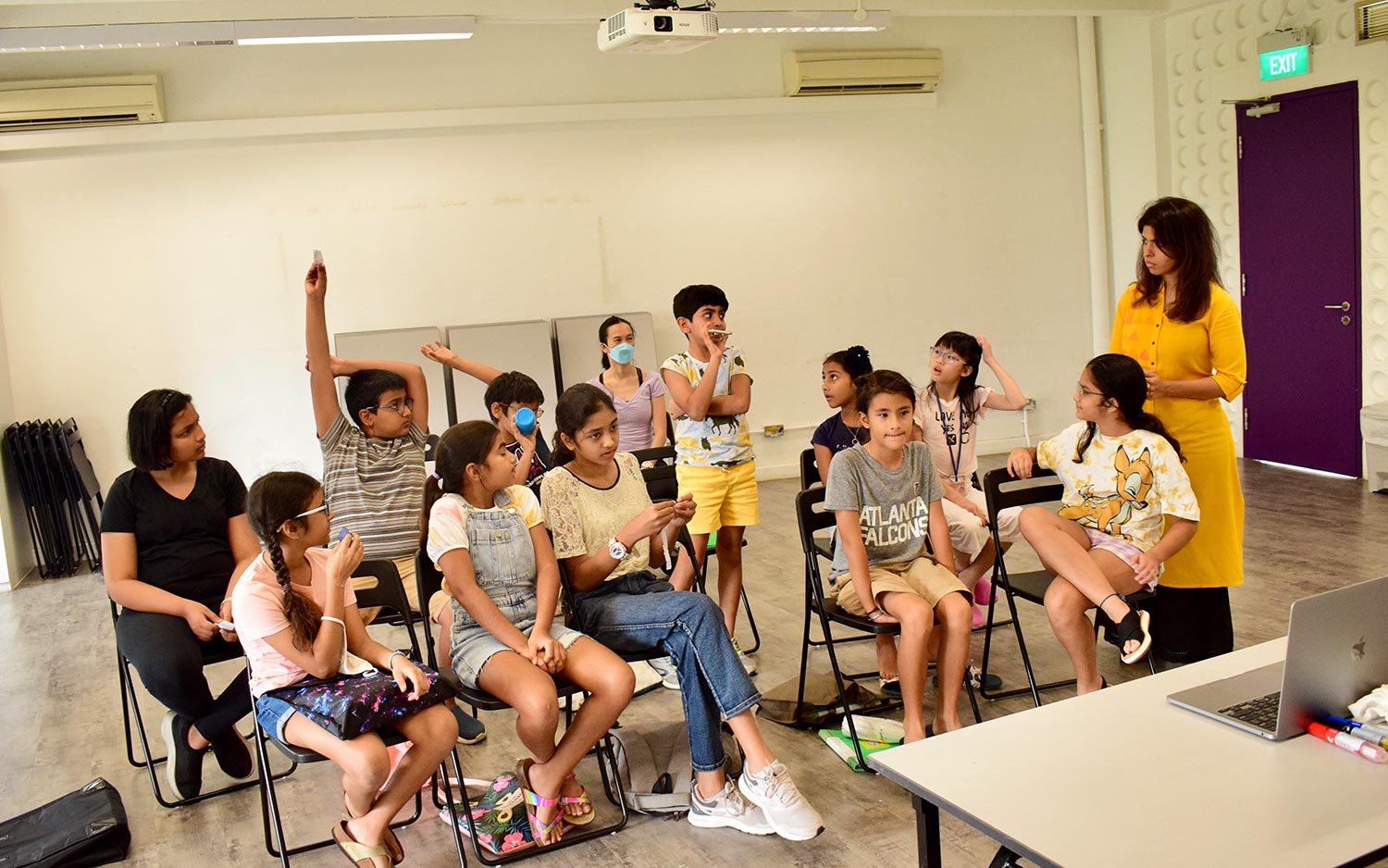
Children naturally express themselves through stories, play, and imagination. Speech and drama programs build on these instincts by providing a structured environment where children can explore ideas, develop confidence, and communicate more effectively. Through activities such as role-playing, storytelling, and performance, children learn how to use their voices, body language, and creativity to share thoughts and emotions.
More than just a performing arts activity, the best speech and drama supports important developmental skills. It encourages creative thinking, strengthens emotional expression, and helps children become more confident communicators in both academic and social settings.
Exploring Speech and Drama as a Learning Experience
Speech and drama is an educational approach that blends communication skills with creative performance. Instead of focusing only on memorization or traditional classroom learning, it allows children to actively participate in storytelling and dramatic expression.
Typical speech and drama activities include:
- Storytelling and narrative exercises
- Improvisation games
- Character role-playing
- Script reading and short performances
- Voice projection and movement exercises
These activities encourage children to think imaginatively while learning how to express ideas clearly. As they interpret stories and characters, children begin to understand how communication involves both words and emotions.
How Drama Encourages Creative Thinking
Creativity is one of the most valuable outcomes of speech and drama training. When children participate in dramatic play, they explore new perspectives and experiment with different ways of thinking.
Improvisation activities are especially effective in stimulating creativity. In these exercises, children respond spontaneously to scenarios, which helps them develop quick thinking and imaginative problem-solving skills.
Through drama, children learn to:
- Create original stories and characters
- Think creatively when solving problems
- Explore ideas beyond traditional answers
This kind of creative freedom encourages children to take intellectual risks and share unique ideas without fear of making mistakes.
Helping Children Express Their Emotions
Speech and drama also provide children with a safe and supportive space to explore emotions. When acting out scenes or portraying characters, children must understand the feelings behind a character’s actions.
This process helps children develop emotional awareness and empathy.
By participating in drama activities, children learn to:
- Recognize and express their emotions
- Understand the feelings of others
- Communicate emotions through voice and body language
For example, a child playing the role of a worried character must learn how to convey that emotion through tone, facial expressions, and movement. These experiences strengthen emotional intelligence and help children express themselves more openly in everyday situations.
Developing Stronger Communication Skills
One of the most practical benefits of speech and drama is improved communication. Children practice speaking clearly, projecting their voices, and using gestures or facial expressions to support their message.
These programs help children develop:
- Clear pronunciation and articulation
- Confidence when speaking in front of others
- Effective storytelling skills
- Strong listening abilities
As children become more comfortable communicating in drama activities, they often gain confidence in classroom discussions and presentations. The ability to express ideas clearly can positively influence both academic performance and social interactions.
Learning to Think Critically and Solve Problems
Speech and drama also encourage children to think more deeply about stories, characters, and situations. When children participate in dramatic activities, they must interpret scripts, understand motivations, and decide how a scene should unfold.
Group performances also require children to work together to solve challenges that arise during rehearsals.
Through these experiences, children learn to:
- Analyze characters and situations
- Adapt when unexpected changes occur
- Collaborate to improve performances
These problem-solving experiences strengthen critical thinking skills while also encouraging flexibility and creativity.
Building Confidence Through Performance
For many children, performing in front of others can feel intimidating at first. However, regular participation in speech and drama gradually helps children overcome this fear.
Through rehearsals and performances, children gain confidence in their abilities and learn to present themselves with assurance.
Performing helps children:
- Become comfortable speaking in front of groups
- Develop resilience when facing challenges
- Celebrate their creative achievements
As children gain more experience performing, they often carry this confidence into school presentations, classroom participation, and everyday conversations.
Strengthening Social Skills Through Collaboration
Speech and drama activities usually involve teamwork. Whether rehearsing a scene or preparing for a performance, children must cooperate and communicate with their peers.
Working together helps children learn important social skills such as:
- Listening to others’ ideas
- Respecting different perspectives
- Sharing responsibilities during performances
- Encouraging and supporting teammates
These collaborative experiences help children build friendships while also developing a sense of responsibility and belonging within a group.
Why Speech and Drama Matters for Long-Term Development
The benefits of speech and drama extend well beyond the classroom or stage. By combining creativity, communication, and emotional expression, these programs help children develop skills that support lifelong learning.
Children who participate in speech and drama often become more confident speakers, creative thinkers, and empathetic individuals. The experience encourages them to express ideas freely, explore new perspectives, and approach challenges with imagination.
In a world where communication and creativity are increasingly important, speech and drama provides children with valuable tools to express themselves clearly and confidently. Through storytelling, performance, and collaborative activities, children learn not only how to speak but also how to share their ideas with confidence and creativity.