
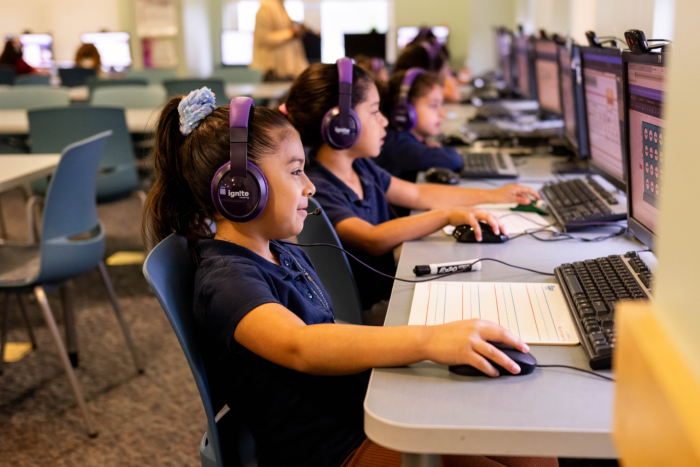
Quiet study moments often reveal missing understanding. Children may read yet fail to connect ideas clearly. Families notice uneven progress across subjects. Support improves when guidance matches daily needs. Home readiness plays a strong role during practice. Many households now blend online reading tutoring support within routine learning setups. Clear structure paired with simple tools helps learners move forward steadily. The sections below explain practical ways to close skill gaps through balanced support.
Understanding gaps through careful observation
Learning gaps appear when skills develop unevenly over time. Observation helps identify weak areas early. Parents notice hesitation during reading tasks. Awareness allows targeted guidance that fits learner needs.
Focused reading helps build clarity
Direct reading helps improve understanding. One to one attention reveals confusion quickly. A clear explanation removes doubt. Learners gain confidence through guided correction.
Home readiness supports learning flow.
Prepared spaces improve focus. Reliable tools prevent interruptions. Simple setup reduces frustration. Learning becomes smoother each day.
Balanced guidance strengthens understanding
Combining instruction with readiness creates balance. Learners receive help without distraction. Skills improve through steady practice. Balance prevents overload.
Simple routines guide daily progress
Predictable routines help memory. Regular timing builds habit strength. Familiar order reduces stress. Progress becomes visible.
Supportive feedback improves skill repair
Kind feedback encourages effort. Clear correction fixes mistakes. Learners stay motivated. Repair happens gradually.
Shared responsibility builds consistency
Family involvement supports routine. Learners feel guided. Shared effort increases accountability. Consistency improves outcomes.
External guidance complements home effort
Some families add professional help to reinforce progress. Support aligns learning direction. Programs like OpenLiteracy strengthen coordination between guidance and readiness.
Tools that enhance reading sessions
Helpful tools improve focus. Simple choices reduce confusion. Readiness matters greatly.
- Reliable connection supports uninterrupted reading practice during scheduled sessions
- Comfortable seating helps learners maintain attention longer without physical distraction
- Headsets reduce surrounding noise during guided instruction moments
- Proper lighting improves text clarity and reduces eye strain
- Organized materials save time and keep sessions focused
Steps for steady improvement
Clear steps guide progress. Small actions matter. Consistent effort works.
- Set daily reading times to build habit strength and expectation
- Prepare devices before sessions to avoid technical delays
- Review previous lessons to reinforce memory
- Track progress weekly to notice improvement trends
- Adjust guidance pace based on learner response
Frequently asked questions
- Why do learning gaps appear?
Gaps form when skills develop unevenly or practice lacks consistency
- Can home readiness improve reading progress?
Yes, preparation reduces disruption and supports focused learning
- Is outside guidance necessary?
Additional support helps when gaps persist despite routine practice
Clear learning path
Progress strengthens when structure meets readiness. Guided reading repairs missing skills. Home setup supports attention. Small changes create great improvement. Families see growth through balanced effort. Consistency remains essential. When guidance aligns with preparation, learning becomes smoother. Programs inspired by OpenLiteracy show how combined support leads to lasting improvement.